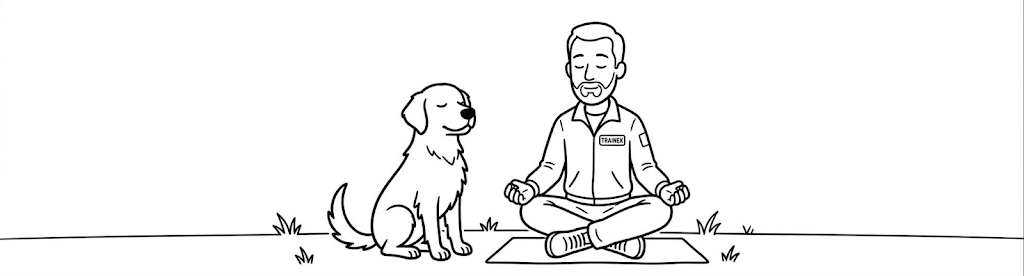
LIMA dog training explained
LIMA (Least Intrusive, Minimally Aversive) is the ethical backbone of modern humane dog training. It is not a marketing label; it is a decision framework used by certified behavior consultants and thoughtful pet parents who want results without breaking trust.
The LIMA hierarchy in plain language
When behavior needs to change, LIMA asks you to try the gentlest effective options first. That usually means adjusting the environment so mistakes are harder to make, teaching new skills with positive reinforcement, and ensuring health and emotional needs are met before you label a dog "stubborn."
Only if those steps fail, and with documentation, professional oversight, and welfare checks, might minimally aversive interventions enter the picture. For most family dogs, the LIMA stack stops well before tools that startle, hurt, or intimidate.
Why intrusion and aversiveness matter
Intrusive methods force your dog into situations they cannot handle yet, flooding at a busy farmer's market, for example, without gradual exposure. Aversive methods add something unpleasant: leash jerks, shouting, or equipment designed to suppress behavior through discomfort.
These approaches can produce quick silence or stillness, but they often trade one problem for another: generalized anxiety, aggression masked until it escalates, or a dog who shuts down rather than cooperates. LIMA prioritizes teaching and management because those outcomes tend to last and keep relationships intact.
LIMA in everyday decisions
Consider leash reactivity. A LIMA-first plan might use a wider route, a front-clip harness, high-value treats for eye contact, and sessions short enough that your dog stays under threshold. You are not ignoring the barking; you are building a replacement behavior while preventing rehearsal of the explosive pattern.
Document what you try. A coach that reads your journal can suggest next steps aligned with LIMA, not generic "be the pack leader" advice, but context-specific reinforcement strategies.
How Operant applies LIMA
Operant is designed for pet parents who want IAABC-aligned guidance without the jargon. The app emphasizes journaling triggers and outcomes, reinforcing humane alternatives, and sharing clear sitter protocols so everyone handling your dog follows the same plan.
Explore more in our Guides hub, including articles on barking and humane AI coaching.
Frequently asked questions
- What does LIMA stand for in dog training?
- LIMA stands for Least Intrusive, Minimally Aversive. It is a framework that prioritizes positive teaching, environmental management, and the gentlest effective intervention before considering tools or techniques that cause fear or pain.
- Is LIMA the same as positive-only training?
- Not exactly. LIMA allows aversive methods only when safer options have been tried and documented, the dog's welfare is protected, and a qualified professional determines they are necessary. For most pet parents, LIMA practice means management plus positive reinforcement.
- Why do professional trainers follow LIMA?
- Organizations like IAABC and APDT endorse LIMA because it reduces stress, preserves trust, and produces durable behavior change. Dogs trained with minimally aversive methods show fewer side effects such as suppressed warning signals or generalized fear.
Join the waitlist for Operant, humane coaching built on LIMA and positive reinforcement.
Join the waitlist